Solving Corrosion Problems: Material Selection
Guidance for selecting corrosion-resistant metals and plastics based on the chemicals, temperatures, and conditions your components will face.
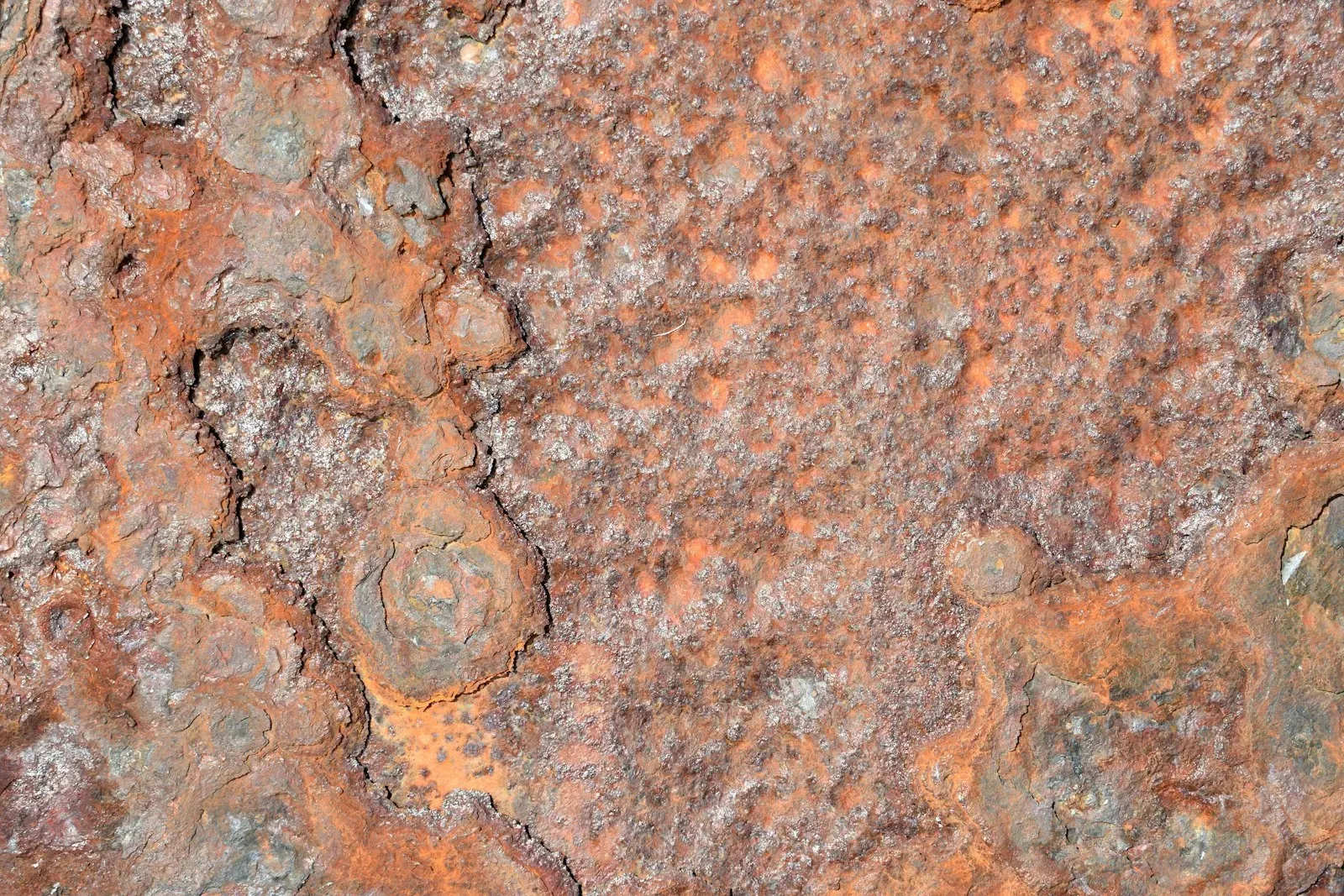
Corrosion costs U.S. industry over $500 billion annually—through equipment replacement, maintenance, lost production, and safety incidents. Most corrosion failures are preventable through proper material selection. But “corrosion resistant” isn’t a single property—it depends entirely on matching the material to the specific environment.
This guide provides a systematic approach to selecting materials that will survive your corrosive environment.
Understanding Your Environment
Before selecting materials, you need to fully characterize the corrosive environment your components will face. This means understanding the chemistry first: what fluids, gases, or solids will contact the material, and at what concentrations. Dilute acids behave very differently than concentrated ones, and contaminants like chlorides or sulfides can dramatically accelerate attack even in otherwise benign environments.
Physical conditions matter just as much as chemistry. Temperature affects reaction rates and material properties—both normal operating temperatures and any excursions that might occur. Pressure influences boiling points and certain corrosion mechanisms. Flow conditions determine whether you’re dealing with stagnant fluids that concentrate aggressive species or flowing streams that might cause erosion-corrosion. Oxygen availability affects many corrosion reactions, sometimes accelerating attack and sometimes promoting protective film formation.
Mechanical factors introduce another layer of complexity. Sustained or cyclic loading can cause stress corrosion cracking in susceptible materials. Wear or erosion removes protective films faster than they can reform. Crevices created by design features, gaskets, or deposits trap corrosive fluids and create localized attack zones.
Finally, consider your service requirements: How long must the component last—months, years, or decades? Is some uniform material loss acceptable, or must any corrosion be prevented? Can corrosion products contaminate your process? Will you have access for periodic inspection?
Corrosion Mechanisms
Uniform Corrosion
When material corrodes evenly across the surface, you’re dealing with uniform corrosion. This is actually the most manageable form because it’s predictable—you can design for the expected material loss by adding corrosion allowance, selecting a material with an acceptable corrosion rate, or applying protective coatings.
Pitting Corrosion
Pitting creates deep, localized attack while the surrounding surface remains largely intact. This makes it particularly dangerous: a pit can penetrate a thick section while visual inspection suggests the component is fine. Stainless steels and aluminum are especially susceptible in chloride environments. The solution is to use higher-alloyed materials like 317L, duplex, or superaustenitic grades, avoid stagnant conditions where chlorides can concentrate, and eliminate chloride contamination from the process.
Crevice Corrosion
Crevice corrosion shares a similar mechanism to pitting but is driven by geometry rather than random initiation. Shielded areas under gaskets, in joints, or beneath deposits develop aggressive local chemistry that accelerates attack. Design solutions focus on eliminating crevices where possible, selecting crevice-resistant alloys when crevices are unavoidable, and maintaining cleanliness to prevent deposit formation.
Galvanic Corrosion
When dissimilar metals contact each other in the presence of an electrolyte, the more active (anodic) metal corrodes preferentially to protect the more noble metal. Managing galvanic corrosion requires avoiding dissimilar metal contact when possible, electrically insulating joints when contact is necessary, ensuring the larger surface area is the cathodic material, and selecting metals close together in the galvanic series.
Stress Corrosion Cracking (SCC)
The combination of tensile stress and a specific corrosive environment can cause sudden, catastrophic cracking. Certain material-environment combinations are particularly dangerous: stainless steels exposed to chlorides at elevated temperatures, brass in ammonia-containing environments, and carbon steel in caustic solutions. Prevention requires selecting SCC-resistant alloys, reducing residual and applied stresses, or eliminating the corrosive species.
Intergranular Corrosion
Preferential attack along grain boundaries typically occurs due to chromium depletion from welding or heat exposure—a condition called sensitization. Standard 304 and 316 stainless are susceptible when welded. The solution is to use low-carbon grades (304L, 316L) that resist sensitization, stabilized grades (321, 347) that tie up carbon with other elements, or solution-anneal after welding to restore chromium distribution.
Material Selection by Environment
Atmospheric Exposure
Indoor controlled environments are relatively benign—carbon steel with a protective coating, aluminum, or zinc-coated steel handles most applications. Industrial atmospheres with pollutants and moderate humidity require more resistant materials like 304 stainless or anodized aluminum. Marine environments demand 316 stainless, marine-grade aluminum alloys, or bronze to handle salt and constant humidity. Where industrial pollutants combine with marine conditions, consider super duplex stainless or nickel alloys.
Fresh Water
Potable water systems traditionally use copper and copper alloys, though 304/316 stainless and approved plastics are common modern alternatives. Boiler and process water applications typically use carbon steel with appropriate water treatment, moving to stainless for higher temperature service. Cooling water systems favor copper alloys or 316 stainless, though chloride levels require monitoring.
Seawater
| Material | Performance |
|---|---|
| Carbon steel | Rapid corrosion, requires thick corrosion allowance |
| 304 stainless | Pitting and crevice corrosion likely |
| 316 stainless | Marginal, adequate for some exposures |
| Super duplex (2507) | Good, especially for flowing seawater |
| Monel 400 | Excellent |
| Titanium | Excellent |
| Inconel 625 | Excellent |
Acids
Sulfuric acid behavior depends heavily on concentration and temperature. Dilute acid at room temperature can be handled by 316 stainless (marginally), Hastelloy C-276, or plastics. Concentrated acid requires high-silicon cast iron, lead, or certain plastics. Hot dilute acid calls for Hastelloy B or C-276.
Hydrochloric acid defeats most metals—use Hastelloy B-3, C-276, or plastics. Notably, titanium fails in HCl despite its excellent resistance to many other environments.
Nitric acid presents the opposite challenge as an oxidizing acid. It attacks many materials including some plastics that handle reducing acids well. Standard 304/316 stainless performs well in dilute to moderate concentrations, with 304L actually preferred over 316L since molybdenum is attacked in oxidizing environments.
Phosphoric acid in pure form works well with 316 stainless. However, industrial phosphoric acid often contains fluoride or chloride contaminants that require higher alloys.
Caustic (Sodium Hydroxide)
| Concentration | Temperature | Material |
|---|---|---|
| Any | Under 150°F | Carbon steel |
| Any | Under 200°F | 304 stainless |
| Over 30% | Over 200°F | Nickel 200, Monel 400 |
Caution: Carbon steel is subject to caustic stress corrosion cracking at high concentration and temperature.
Organic Chemicals
Simple organics like alcohols, ketones, and esters are generally not corrosive to metals, so material selection focuses on other requirements. Chlorinated solvents are more aggressive, attacking most plastics—use PTFE, stainless, or Hastelloy. Organic acids like acetic and formic are typically handled by 316 stainless, with Hastelloy for more aggressive conditions.
Plastic Options
When metallic corrosion becomes severe or unpredictable, engineering plastics offer an alternative approach.
PTFE (Teflon) resists virtually everything except molten alkali metals, making it the default choice for extreme chemical environments. The tradeoffs are significant though: maximum temperature around 500°F, no structural strength to speak of, and substantial creep under sustained load. PTFE finds its home in gaskets, linings, and seals where nothing else survives.
PVDF (Kynar) handles most acids, bases, and solvents while offering better mechanical properties than PTFE. It fails against strong bases and some polar solvents, with a 280°F temperature limit. Chemical piping, tanks, and valves commonly use PVDF when the chemistry permits.
HDPE/UHMW provides economical chemical resistance to dilute acids and bases and many solvents. Oxidizing acids and some chlorinated solvents attack these materials, and the temperature limit of 180°F restricts their use. Tanks, linings, and other large-volume applications benefit from their low cost.
Polypropylene offers similar resistance to HDPE with better fatigue properties, though UV resistance is poor. Chemical piping, tanks, and pump components are typical applications.
FRP (Fiberglass Reinforced Plastic) performance depends entirely on the resin system—vinyl ester for acidic environments, epoxy for alkaline service. Temperature limitations and potential chemical attack on the resin require careful selection. Large tanks, piping systems, and structural components use FRP when size makes solid plastics impractical.
Protective Coatings
When the ideal material is too expensive or unavailable, consider coating a less-noble substrate to provide the necessary protection.
Organic coatings such as epoxy, polyurethane, and vinyl provide barrier protection suitable for atmospheric exposure and mild chemical environments. Metallic coatings offer more robust protection: hot-dip galvanizing provides sacrificial zinc protection for steel, electroplating deposits chrome, nickel, cadmium, or zinc, and thermal spray applies various metals for combined wear and corrosion resistance.
Conversion coatings enhance inherent material properties. Passivation improves stainless steel’s natural oxide layer protection (see our passivation guide). Anodizing thickens aluminum’s protective oxide. Phosphating improves paint adhesion on steel substrates.
Selection Process
The selection process begins with thorough documentation of all chemicals, temperatures, and mechanical conditions. Guessing or incomplete characterization causes failures—take time to get this right.
Next, consult published corrosion data. The NACE Corrosion Data Survey, chemical engineering materials selectors, and supplier compatibility guides provide starting points. Identify materials that published data suggests will work, including alternatives at different price points.
With candidate materials identified, factor in other requirements: mechanical properties for the application, machinability considerations (DFM guidance), cost constraints, and material availability.
For critical applications or unusual environment combinations, verify your selection through coupon testing in actual service, consultation with material suppliers or corrosion specialists, and review of similar service experience. Laboratory data alone may not capture all field conditions.
Working With NextGen Components
We supply corrosion-resistant materials matched to your application: stainless steels including 304, 316, 317, duplex, and super duplex grades; nickel alloys such as Hastelloy, Inconel, and Monel; specialty alloys for specific chemical resistance; and engineering plastics for chemical service.
Questions about material selection for corrosive environments? Contact our engineering team with your environment details.
Ready to Start Your Project?
Contact us to discuss your material and manufacturing needs.
Request a Quote